
The Sweet Truth
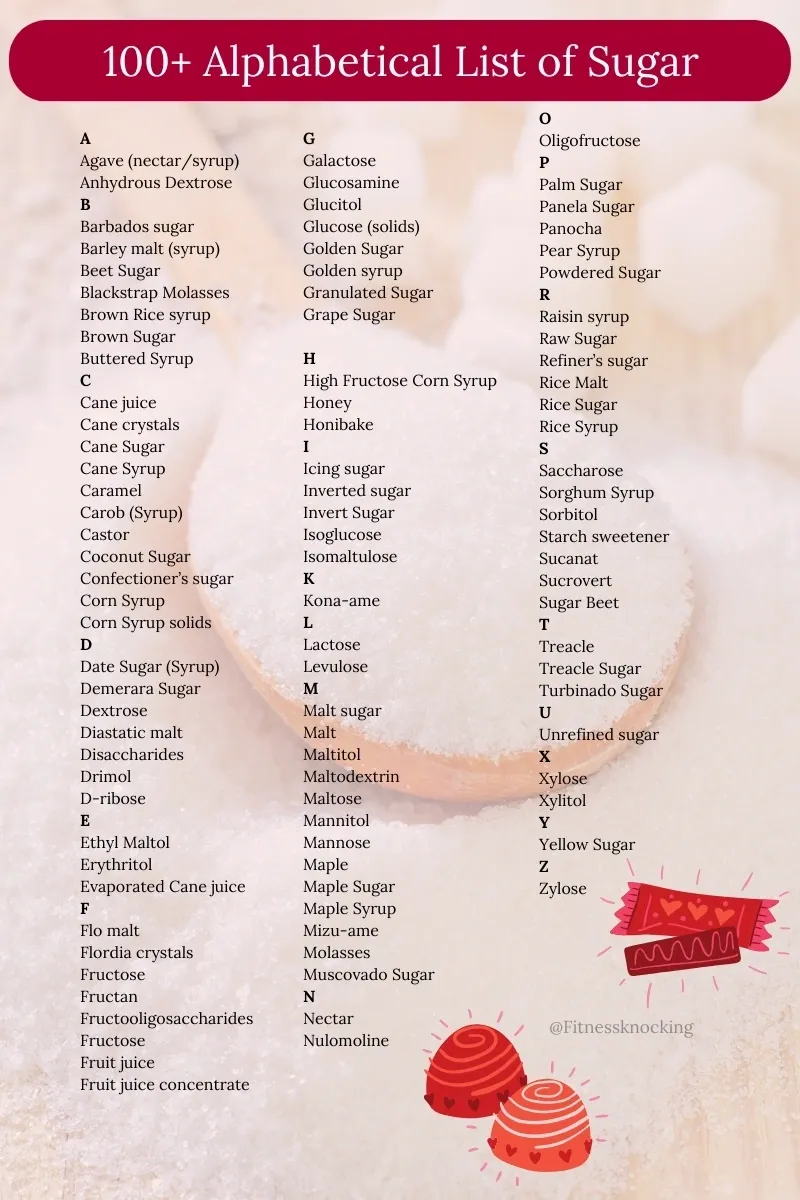
In today’s world, where “quick and easy” often triumphs over health, it’s easy to fall into the trap of consuming processed foods loaded with hidden sugars. I caution you to be an informed consumer. These sugars not only contribute to weight gain but also increase the risk of developing serious health conditions such as type 2 diabetes and metabolic syndrome. As consumers, being informed about the foods we eat and understanding how to spot hidden sugars is crucial for maintaining optimal health.
According to the Centers for Disease Control and Prevention (CDC), the average American consumes about 17 teaspoons of added sugars per day, far exceeding the recommended limit of 6 teaspoons for women and 9 teaspoons for men. This excessive intake is largely due to the prevalence of hidden sugars in processed foods.
So, what exactly are hidden sugars?
They’re sugars that are added to foods during processing, often under names that are unfamiliar or misleading. Some common names for hidden sugars include high-fructose corn syrup, cane sugar, maltose, and dextrose, among tons of others. These sugars can be found in a wide range of products, from soda and energy drinks to seemingly “healthy” options like yogurt and granola bars. Eating too much sugar can lead to insulin resistance, a key factor in the development of type 2 diabetes and metabolic syndrome. Insulin resistance occurs when the body’s cells become less responsive to insulin, the hormone responsible for regulating blood sugar levels. This can ultimately lead to elevated blood sugar levels, which, over time, can cause damage to the body’s organs and tissues.
To avoid hidden sugars here are some tips:
1. Read the Label: Look for hidden sugars in the ingredient list. Be wary of ingredients ending in “-ose” (e.g., sucrose, fructose, glucose) and other terms like syrup, nectar, or sweetener.
2. Choose Whole Foods: Opt for whole, unprocessed foods whenever possible. These foods are naturally low in added sugars and provide essential nutrients that processed foods often lack.
3. Avoid or Limit Sugary Drinks: Sugary drinks are a major source of hidden sugars. Instead, choose water, unsweetened tea, or sparkling water flavored with a splash of fruit juice.
4. Use Caution when buying “Healthy” Foods: Some foods marketed as “healthy” may still contain hidden sugars. Always check the ingredients on the label and choose options with little to no added sugars.
5. Bake or Cook at Home: Cooking meals at home allows you to control the ingredients and avoid hidden sugars commonly found in restaurant and takeout foods.
By being mindful of hidden sugars and making informed choices, you can take control of your health and reduce your risk of developing type 2 diabetes and metabolic syndrome. Remember, small changes can lead to big improvements in your overall health and well-being.