
The Answer to Feeling Stuck
People often think the answer to feeling stuck is to push harder. But sometimes, the most productive thing you can do is pause and ask yourself why?
Most of us, myself included, are our own toughest critics and that can cause a feeling of stuck in depression. We overload our plates with work, tasks and even food, and ignore the signs our body sends us. That feeling of being “stuck” isn’t failure, it’s often your body whispering that it’s time to slow down.
As the ancient Romans used to say, “haste is waste.” My dad has his own version: “slow is fast.” The idea is simple but the bottom line is when we rush, we often make mistakes or miss the very moments that help us move forward with clarity. When we slow down, we actually make more meaningful progress. When you feel “stuck”, pause and ask yourself: Why does wellness matter to me right now in a letter to your future self? Then, write your answer down as if you were giving advice to a close friend or if you prefer to voice record yourself. Then read or listen to it. When you stop long enough to listen to those quiet nudges, something shifts. You start noticing the small things again, the taste of the ice cream, the changing leaves, the smell of coffee, the way sunlight hits your desk. You begin to remember that movement, nourishing food, and rest aren’t chores, they’re privileges.
They’re not things you HAVE to do, they’re things you GET to do.
Ways to Reset the “Stuck”
Here are a few simple ways to build more space for that pause:
- Take screen break
We are not meant to sit still all day. Set a timer for two minutes. Step away from your screen, unclench your jaw, roll your shoulders, and take three slow breaths. - Name your drains.
Write down the top three things currently causing stress or resistance. Seeing them on paper helps you identify what’s within your control and what’s not. If there is an emotional response like fear, resentment or self pity. Address the emotions cleanly by talking or writing them out. - Read your why.
Return to your “letter to your future self” note once a week. Adjust at least once a month. This helps you align your energy with what’s meaningful instead of what’s merely urgent. - Move is the opposite of stuck.
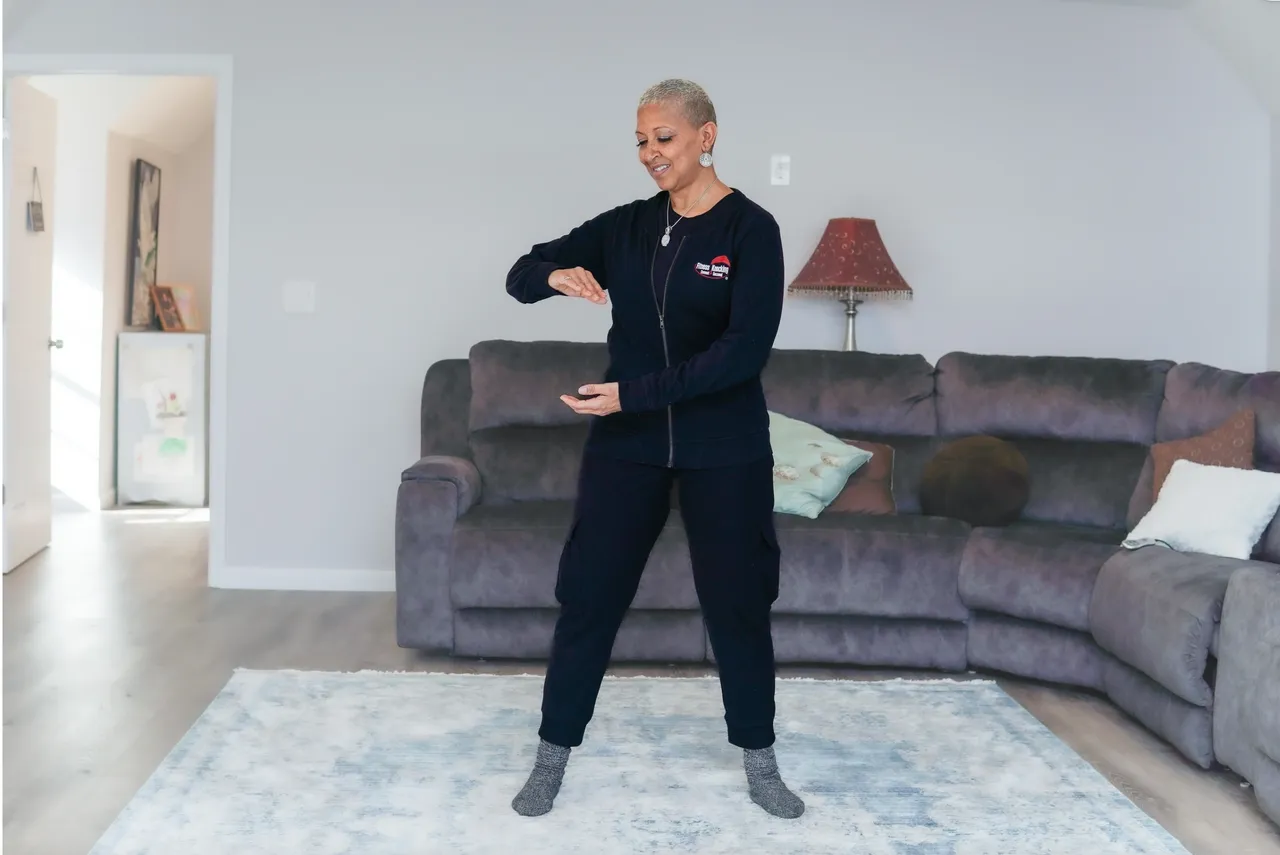
When your body feels stuck, it doesn’t need intensity, it needs motion. Simply creating friction by rubbing your hands together like Mr. Miyage in Karate kid, standing outside and smelling the season, stretching, or even five minutes of dancing can shift your energy. - Create white space in your calendar.
Protect at least one 30-minute block per week with no meetings, errands, or screens. Use it to check in with yourself. Schedule time for vacations at least 1x a quarter. Even one night away at a hotel or friend’s home can give you space to slow down. - Ask for help.
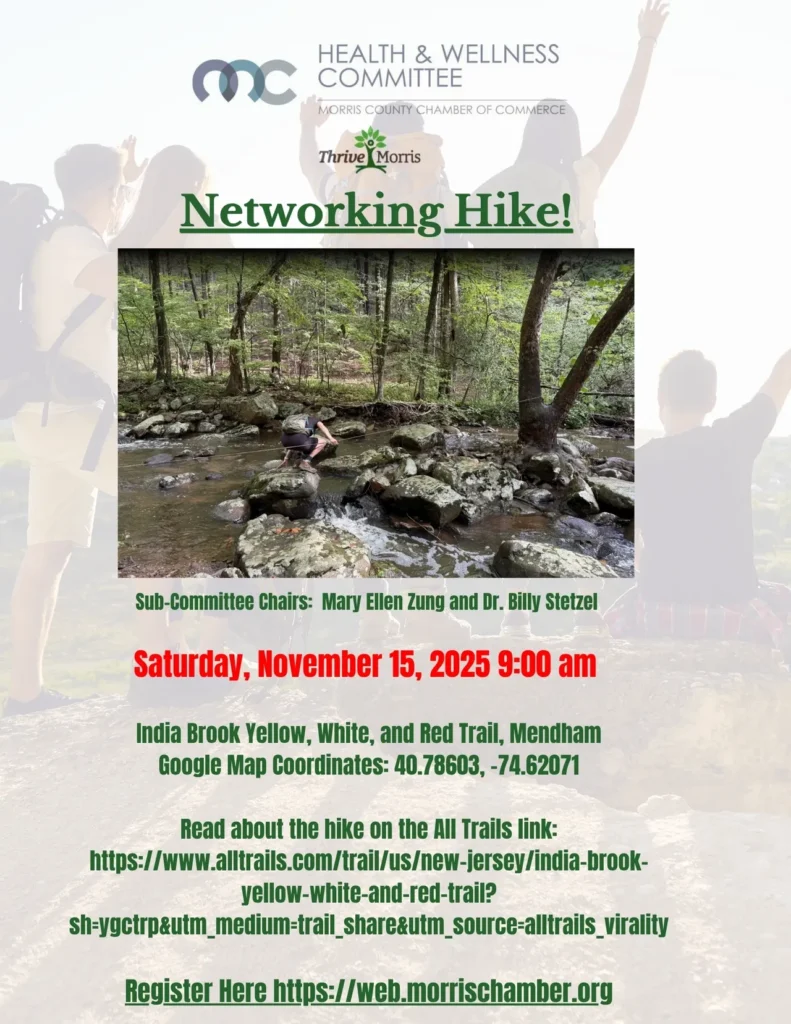
Whether it’s delegating a task or sharing how you’re feeling with a friend, reaching out sooner prevents burnout later. - Get outside in nature. Join a local hiking group or walk alone. The feeling of “stuck” will fall away and you will feel more focused and energized. Below is a photo of a monthly hike my Health and Wellness committee puts on every month. This month it is in Mendham, NJ.
Slowing down isn’t just a personal practice it can transform the way we work as teams. Many workplaces are realizing that pausing together can boost focus, creativity, and morale far more effectively than constant hustle.
Incorporating a corporate wellness class into your workday like Qigong, for example can be a simple but powerful way to help employees reset. Qigong is a mindful movement practice rooted in ancient Chinese tradition that blends breath, gentle motion, and focus. It doesn’t require any special equipment or fitness level, making it easy to integrate into a lunch break or morning meeting.
Even a short 30-minute guided hike or a Qigong session can help employees:
- Release physical tension from sitting or screens
- Improve mental clarity and energy levels
- Strengthen team connection through shared mindful movement
- Foster a workplace culture that values balance over burnout
When you give your team permission to slow down, they often return more focused, engaged, and creative than before.
So remember: “haste is waste.” Or as my dad likes to remind me, “slow is fast.”
When you live by that, life opens up in quieter, steadier ways that last.
If this feels familiar, I’d love to connect and chat more about bringing balance and energy into your day.